

Improving Effective Drilling Time in Quarry Operations
- Date:2026-05-21
- Share with:
1. Introduction: Why Effective Drilling Time Matters
In quarry operations, drilling efficiency directly affects overall productivity and cost per ton of material. While penetration rate and equipment speed are often the focus, the real determinant of operational efficiency is effective drilling time—the portion of total operation time during which productive drilling actually occurs.
Effective drilling time is reduced by factors such as frequent tool changes, equipment downtime, unstable drilling performance, and unplanned maintenance. Understanding these factors is key to maximizing output and reducing operational cost.
2. Common Causes of Reduced Effective Drilling Time
2.1 Tool Change Frequency
Frequent bit or hammer replacement interrupts drilling cycles, causing unproductive downtime. Even a single extra change per shift can significantly reduce total meters drilled.
2.2 Performance Instability
Drill systems that experience uneven wear, fluctuating penetration, or vibration require constant adjustments, further reducing productive time.
2.3 Equipment Downtime
Mechanical issues, alignment problems, or air/power supply interruptions can delay operations, decreasing effective drilling time.
2.4 Formation Challenges
Quarry rock may vary in hardness or abrasiveness, causing sudden drops in penetration and requiring operational adjustments.
3. Strategies to Increase Effective Drilling Time
3.1 Optimize Tool Life and Stability
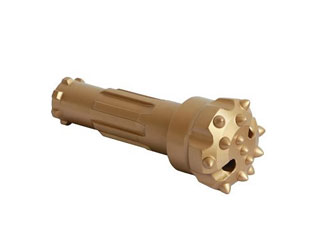
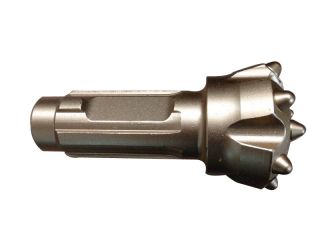
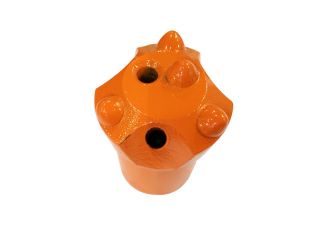
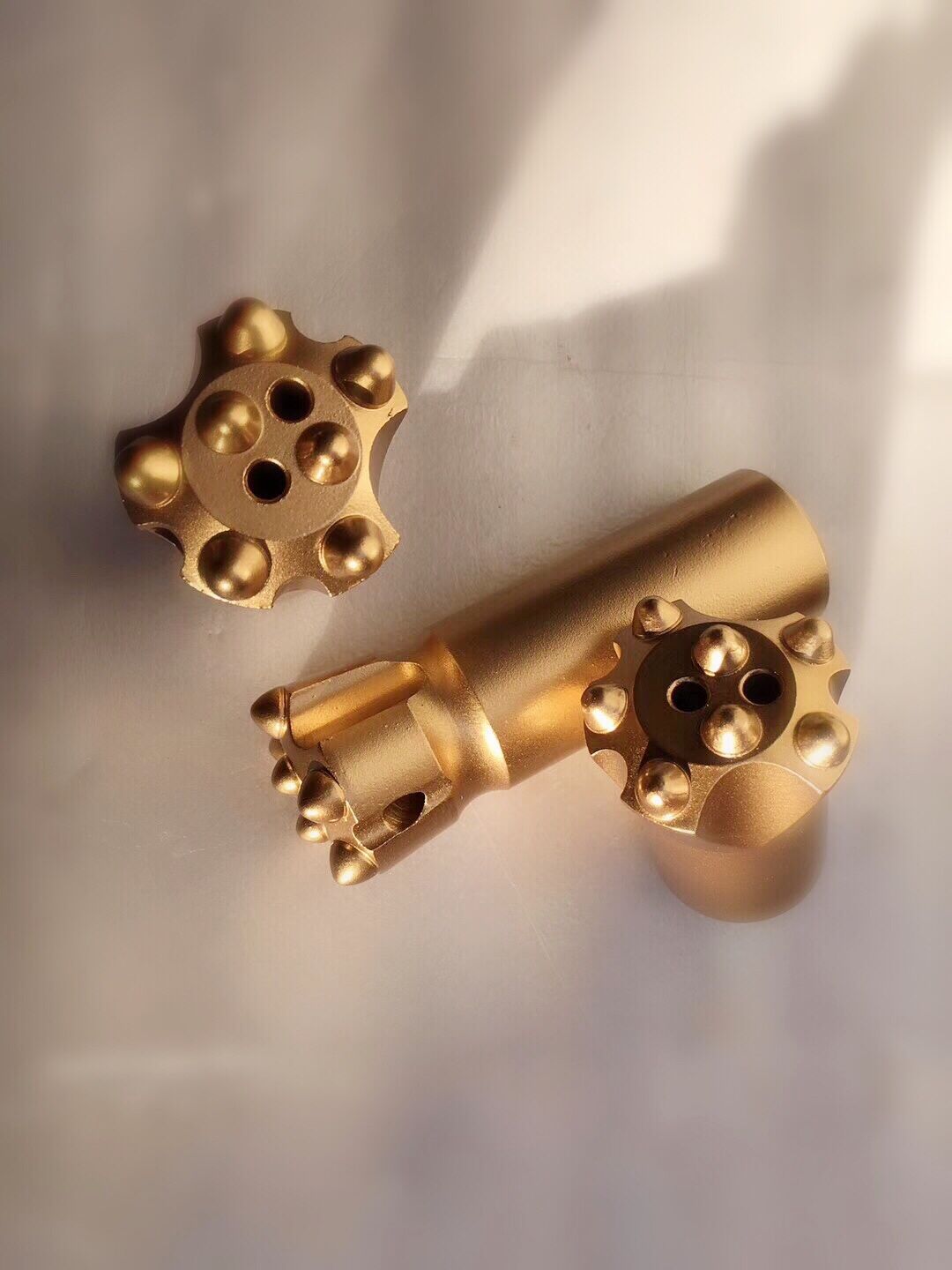
Selecting drill bits and hammers designed for consistent wear patterns reduces early replacements and ensures steady performance throughout the shift.
3.2 Standardize Drilling Parameters
Maintaining consistent impact energy, rotation speed, and feed rate minimizes fluctuations that lead to unproductive adjustments.
3.3 Preventive Maintenance
Scheduled inspections and timely component replacement prevent unexpected downtime, keeping the drill system operational during the intended working period.
3.4 Monitor Performance Metrics
Tracking penetration, torque, vibration, and tool wear provides early warning of declining stability and allows corrective actions before production is affected.
4. Engineering Principles Behind Maximizing Effective Drilling Time
Effective drilling time is closely linked to system integration:
· Bit-Hammer Compatibility: Proper match ensures energy transfer efficiency.
· Wear-Controlled Design: Stable bit geometry prolongs optimal cutting performance.
· Drill Rod Alignment: Reduces vibration and energy loss.
· Formation-Specific Settings: Tailoring parameters to rock conditions prevents overloading or premature wear.
These engineering considerations help maintain stable operation and extend the period of productive drilling.
5. Case Study Observations (Quarry Example)
In multiple quarry operations analyzed:
· Bits with stable wear patterns required fewer replacements.
· Predictable penetration rates minimized operator intervention.
· Standardized maintenance schedules prevented sudden equipment downtime.
The outcome was an increase in effective drilling time by 15–25%, leading to more meters drilled per shift and a lower cost per ton.
6. Measuring Effective Drilling Time
Effective drilling time can be quantified by:
Effective Drilling Time=Total Shift Time−(Tool Change Time+Downtime+Adjustment Time))
Focusing on the components that reduce this metric allows engineers to identify areas for improvement, target interventions, and optimize operational planning.
Increasing effective drilling time in quarry operations requires a combination of stable tools, system integration, controlled wear, and operational discipline.
By minimizing downtime, reducing tool change frequency, and maintaining consistent drilling performance, quarry operations can maximize productivity and reduce total drilling cost.
In practice, long-term operational efficiency depends more on sustained performance than on initial penetration rate or equipment speed.